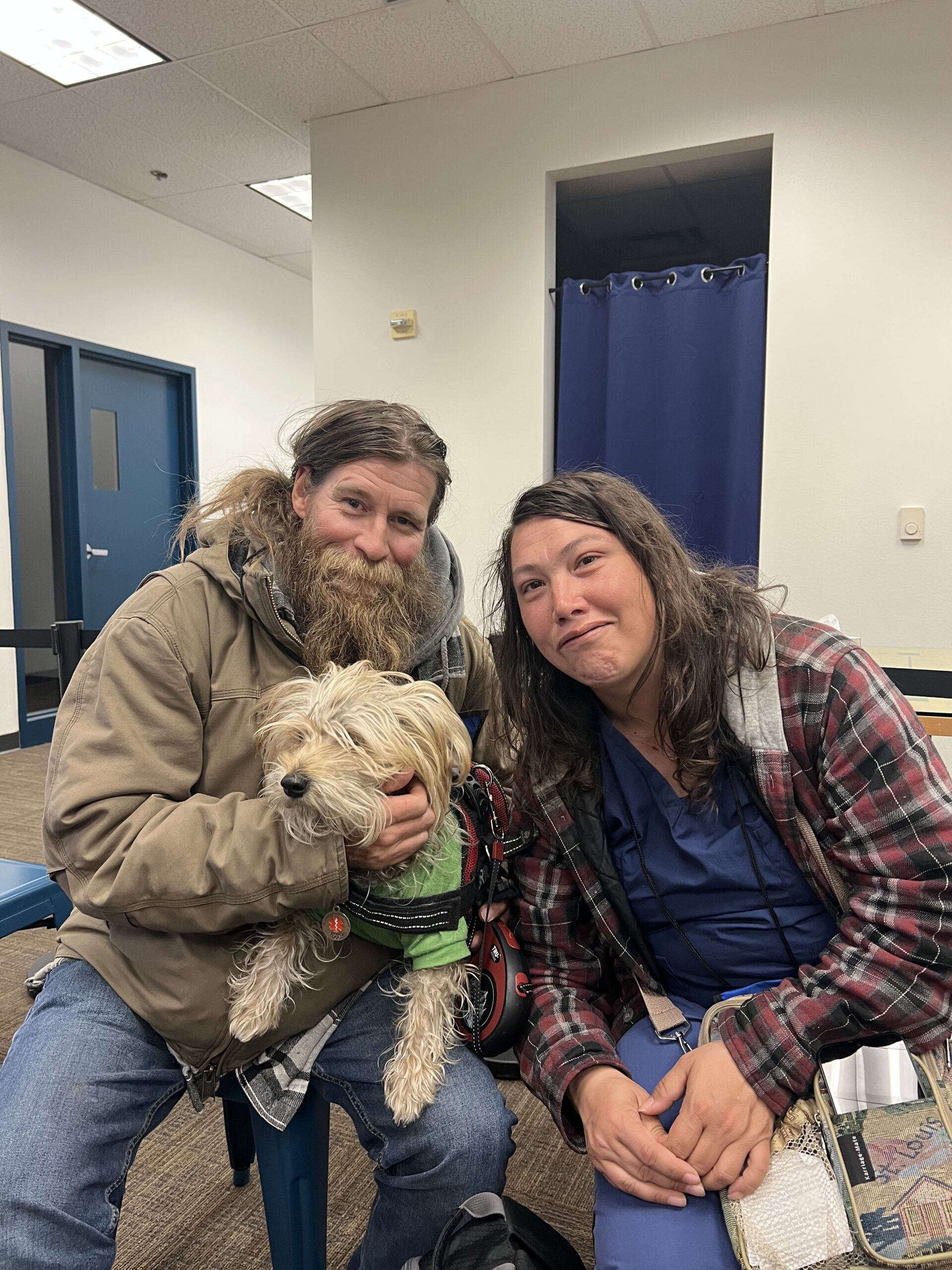

When a woman decides to leave an abusive home, a man commits to recovery from substance abuse, or a young adult ages out of foster care, we like to believe help is waiting on the other side.
But for many people, it isn’t.
A woman fleeing domestic violence may have the courage to leave, but not the time to gather documents required for shelter and medical assistance.
A man ready to get sober may have the determination to enter treatment, but not the identification required to enter the facility.
A young adult aging out of foster care may be ready to start their life, but without the birth certificate or ID required to work, rent housing, or open a bank account.
And so the system that society hopes is in place to help those in need responds with the same question:
“Do you have an ID?”
And too many times, the answer is “no“.
Without an ID…
- Shelters turn the very people they’re designed to help away
- Employers won’t hire an otherwise qualified applicant
- Apartment applications stall
- Healthcare, treatment and other benefits remain out of reach
At the Homeless ID Project, we’ve learned that a single missing document, something as small as a business card, becomes a barrier the size of Camelback Mountain when trying to get help.
And we’ve learned something else most people don’t realize:
Homelessness isn’t always about unwillingness; it’s often about access.
And for many people, access begins with a single, overlooked first step: an ID.
The Hidden Barrier That Blocks Opportunity
Most of us take identification for granted. It’s just a card in our wallet, something we show without a second thought.
But when a birth certificate gets lost or misplaced, or a wallet is stolen on the street, that simple card becomes the thing that stands between a person and a job and housing, as well as:
-
a cell phone
-
a treatment center
-
a bank account
-
a doctor’s appointment
-
school registration
-
government benefits
Without identification, people don’t just fall through the cracks; rather they fall into a grid of locked doors. And every locked door feels permanent.
Why the First Step Matters More Than You Think
When someone walks through our door at the Homeless ID Project, they show up because they need a document. But what they really need is a chance.
69% of people want an ID to get a job. 63% need an ID to get shelter.
Identification isn’t a luxury; it’s a lifeline! It’s more than a card, it’s:
Access: It opens doors to jobs, income, and opportunities that others take for granted.
Stability: It enables access to housing, medical care, and long-term support.
Identity & Dignity: It confirms their humanity in systems that too often overlook it. It says, “I belong. I matter. I exist.”
For people experiencing homelessness, an ID can be the one tool that makes every other support service accessible.
From Barrier to Bridge: How Homeless ID Project Makes It Happen
This is where the process becomes real.
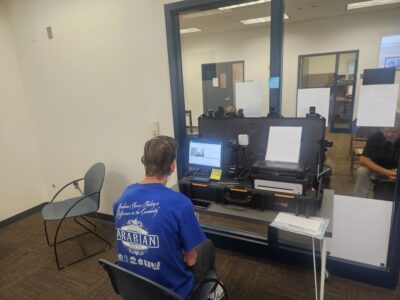 At the Homeless ID Project, we focus on removing the barriers that keep people stuck:
-
We meet people where they are
-
We provide Tele-MVD access so clients don’t have to travel miles to government offices
-
We assist with birth certificates from all 50 states, often required before an ID can be issued
-
We provide a mailing address, solving the challenge of receiving documents without housing
-
We offer secure document storage so people don’t lose their identity again
-
We fund the entire process at no cost to the client, eliminating the financial hurdle
Every ID we help issue isn’t just a piece of plastic, it’s a key.
A Ripple Effect of Impact
The impact of an ID doesn’t stop with one person. It strengthens the entire network working to end homelessness.
Once someone has identification:
-
Employers can take their application seriously
-
Landlords can consider them for housing
-
Clinics, hospitals and treatment centers can provide care
-
Children can enroll in school
-
Benefits and community services become accessible
One small card ignites a chain reaction of opportunity.
And because we partner with over 60 organizations across Arizona, every ID we help issue strengthens the broader ecosystem – from shelters and healthcare providers to job training programs – enabling them to do their work more effectively.
Why Your Support Matters
Every day, we meet people who are ready to change their lives but are stopped by a system that requires identification to access help.
- For the woman fleeing domestic violence, an ID can mean the difference between being turned away from a shelter and finding safety. It allows her to apply for housing, enroll her children in school, open a bank account, and begin rebuilding her life on her own terms.
- For the man committed to recovery, an ID can be the key that unlocks treatment. It allows him to enter a program, access medical care, apply for work, and take real steps toward stability and sobriety.
- And for a young adult aging out of foster care, an ID can be the foundation of adulthood itself, making it possible to get a first job, secure housing, open a bank account and begin life with stability instead of starting at a disadvantage.
These are not hypothetical stories. They are the people who walk through our doors every day.
And while the need is urgent, the solution is clear.
We receive no government funding. Every ID, every birth certificate, every secure document is made possible through the generosity of donors, sponsors, volunteers, and community partners who believe in solving problems by removing barriers.
When you support the Homeless ID Project, you are not funding paperwork. You are enabling:
- Safety for someone escaping violence
- Housing for someone seeking stability
- Access to healthcare, benefits, and essential services
- Recovery for someone choosing sobriety
- Employment for someone ready to work
And that’s why an ID isn’t just the first step; it’s the transformational step.
Help Really Does Start Here
An ID opens doors. It opens opportunity. It opens possibility.
It starts with one human offering support to another. And it doesn’t just change one life. It activates an entire network of support.
When someone has an ID, over 60 partner organizations across Arizona can do what they exist to do: provide shelter, healthcare, job training, housing, treatment and stability.
When you support the Homeless ID Project, you don’t just help one person reclaim their identity, you fuel the services of an entire community working together to help people exit homelessness.
It all starts with one document. And one human choosing to help another.
👉 Donate
👉 Volunteer
👉 Take a Tour
Commonly Asked Questions About The Homeless
Why is an ID important for people experiencing homelessness?
An ID is required to apply for jobs, secure housing, access healthcare, enroll in school, and receive public benefits. Without identification, people are locked out of systems designed to help them exit homelessness.
Why don’t many people experiencing homelessness have an ID?
IDs are often lost, stolen, destroyed, or inaccessible due to cost, lack of transportation, or missing documents like birth certificates—especially after fleeing violence, aging out of foster care, or living unsheltered.
How does the Homeless ID Project help people get IDs?
The Homeless ID Project provides Tele-MVD access, application assistance, birth certificate support, document funding, and secure storage, removing the most common barriers to obtaining identification.
Is an ID enough to end homelessness?
An ID alone does not end homelessness, but it is the first step that makes all other services, like housing, employment, healthcare, possible.